
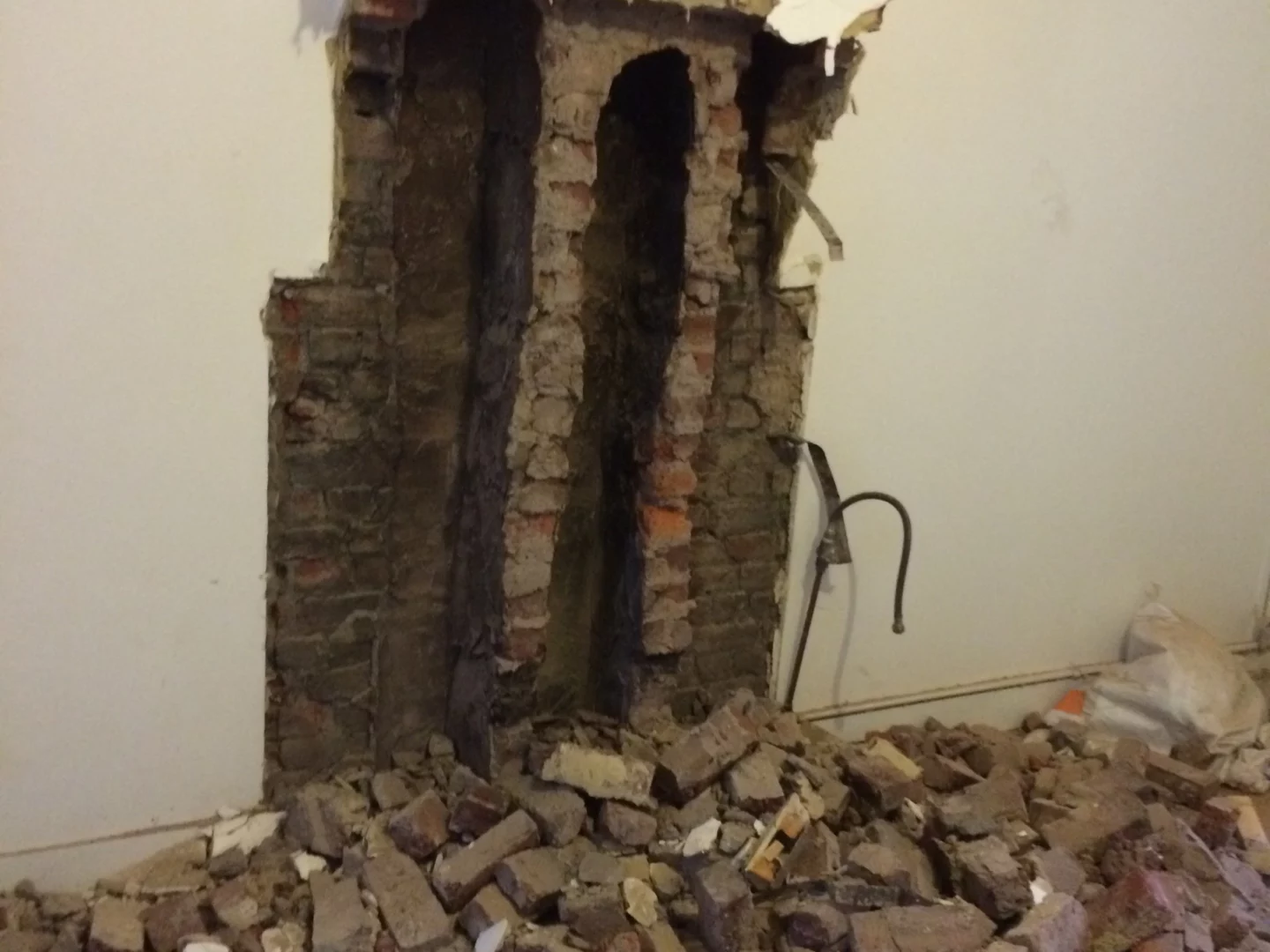
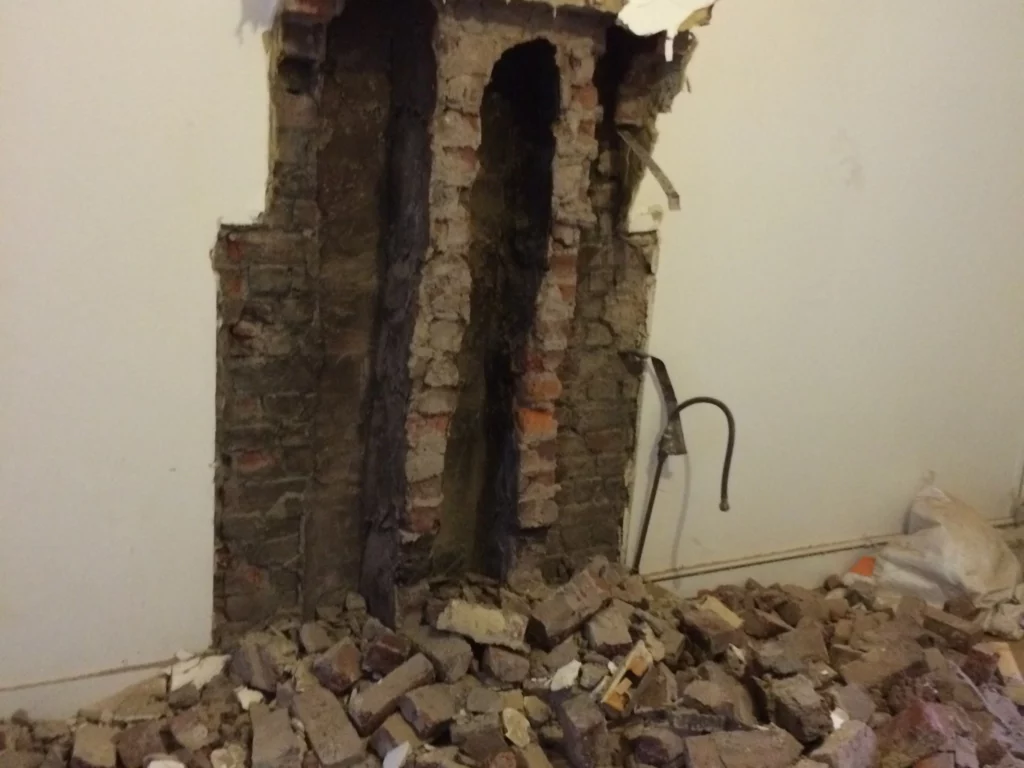
IN PRACTICE — Removing a partition changes the layout of a home. A tenant cannot carry out such work without the landlord’s permission.
Disputes sometimes arise between tenants and landlords, and work carried out by the tenant can be one of them, so it is important to know what is allowed before you start. A tenant may understandably want to make changes to the home, for looks or comfort, especially on a long lease. You are allowed to drill holes in the walls to hang pictures, shelves or furniture, and you can fill them in to avoid surprises at the check-out inspection. You may also repaint walls or replace a carpet or vinyl floor, for example. Avoid colours or materials that are too unusual, though: even if such work can be done without the landlord’s permission, the landlord can deduct the cost of restoring the original condition from the rental deposit.
Removing a partition is not allowed without agreement
Tenants have plenty of freedom to arrange their home, but not when the work affects the structure of the rented property. All conversion work — for example replacing a bath with a shower — must be approved by the landlord. So removing a partition is out of the question. You may have dreamed of an open-plan kitchen for years, but creating such an opening is a conversion of the home. To go ahead, contact the landlord, explain your project and get their written consent. If you do not, at the check-out inspection you risk more than your deposit: the landlord is entitled to ask you to restore the property at your own expense. Note too that some major conversions, such as an opening in a load-bearing wall, also require the co-ownership’s approval.
Removing a partition: who pays for the work?
Taking the example above, your landlord agrees to an opening for an open-plan kitchen. You have written consent and can start the work. In that case the landlord does not have to pay for it. However, since such work can improve the property, tenants often negotiate a one-off rent reduction with their landlord. Both sides win, but again it is strongly recommended to put the agreement in writing to avoid any dispute. In general, when renting, it can be hard to know who should pay for works or repairs, so find out beforehand and know your rights and obligations as a tenant.
Further reading

Asbestos before works in Belgium: when do you need a survey?
Older building, demolition, renovation: how to spot the risk and who to contact.
Sorting construction waste: inert, non-hazardous, hazardous
Good sorting costs less and protects the environment. The three waste families and where they go.

Clearing a home after a bereavement: how to organise it
A difficult time: steps to sort, keep what matters and entrust the rest with respect.